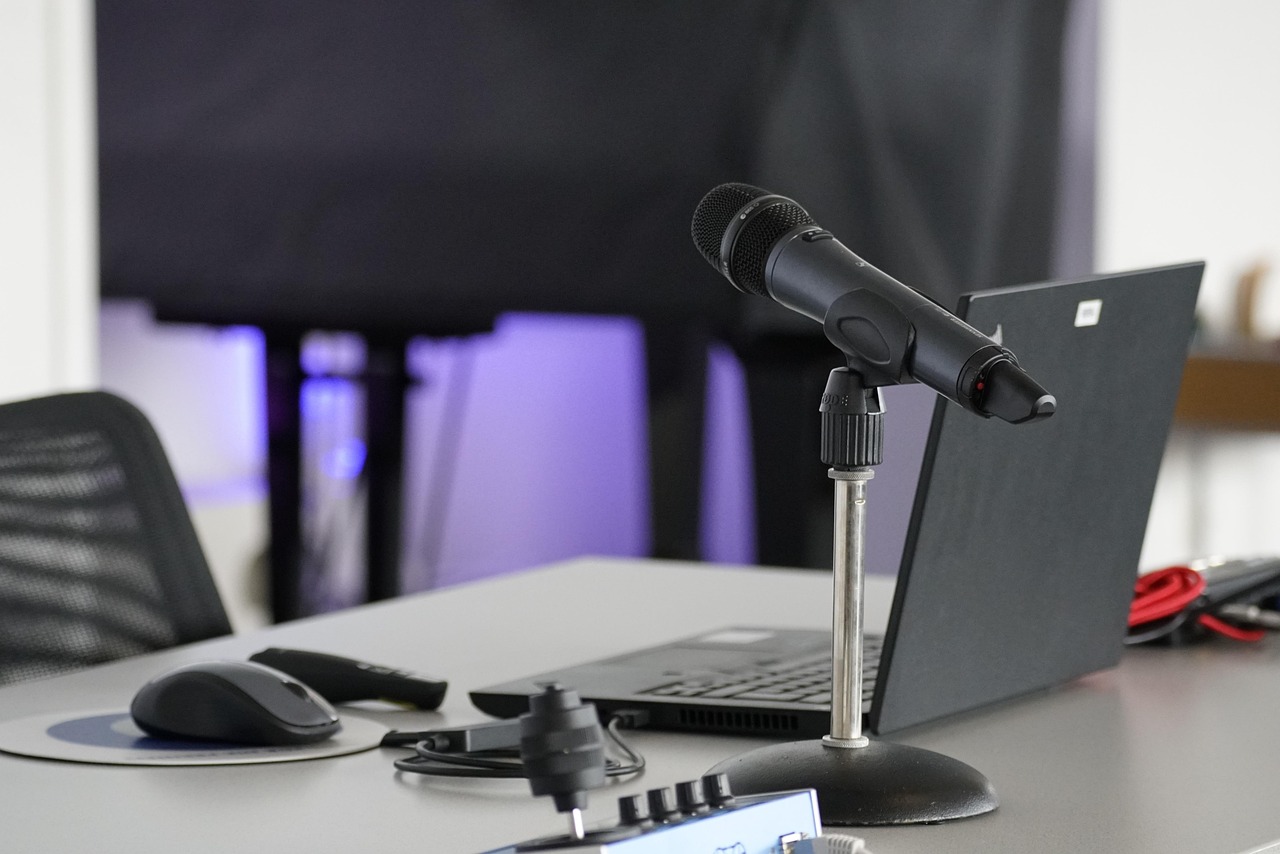
How much does podcast editing cost?
See Australian podcast editing price examples, what changes a quote, what should be included and how to compare editors on the same brief.
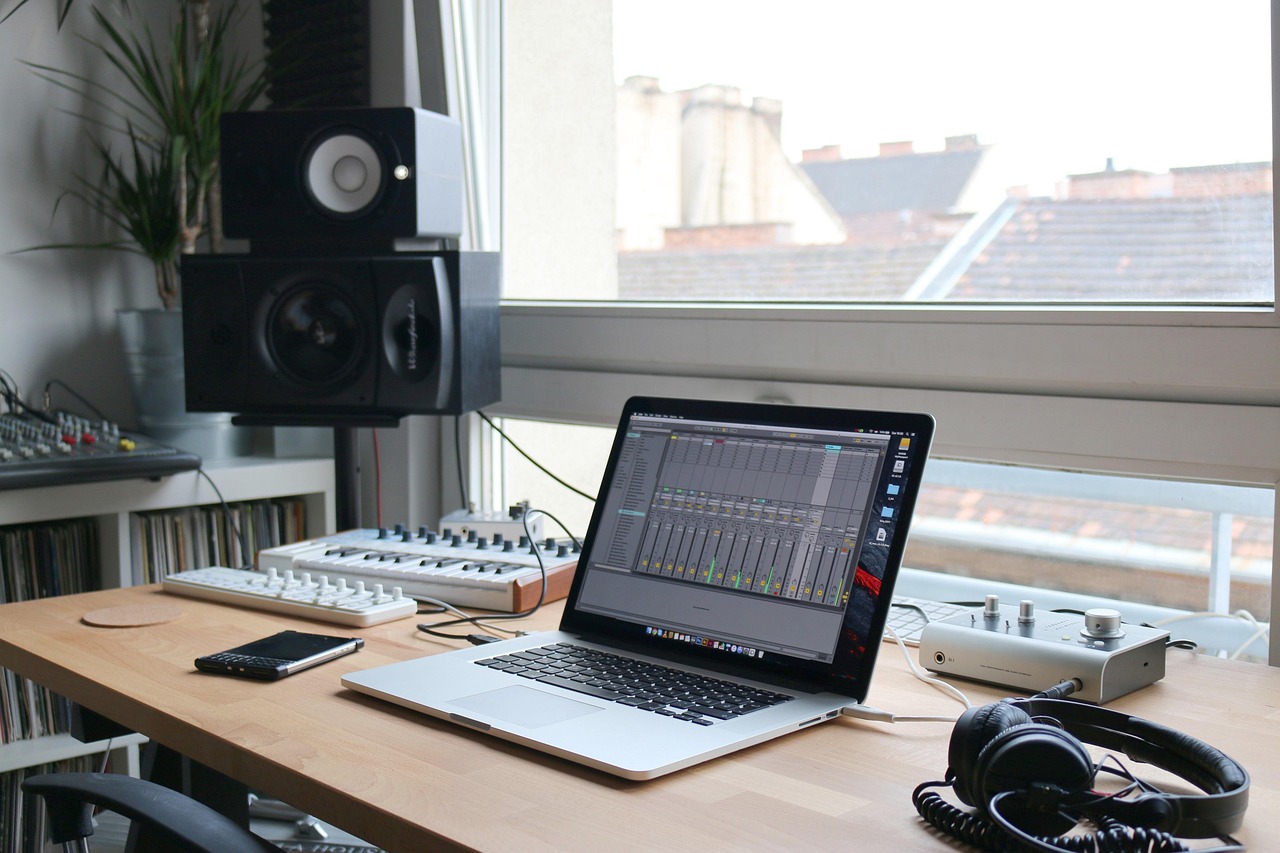
Podcast editing has no single set fee. As a concrete Australian benchmark, an Australian provider lists $99 for the first 60 minutes of raw audio and $1.65 for each additional raw minute. Your quote can rise when the recording needs detailed content cuts, audio repair, video editing or extra publishing work.
What price can you use as a starting point?
Per-episode pricing is easier to budget for than an open-ended hourly rate, but only if the scope is clear. The Australian price above is based on raw recording length. That matters because a short finished episode may come from a much longer recording.
A broader international freelancer marketplace guide puts freelance podcast editing at $75 to $500 per episode and full-service agency work at $300 to $1,500+ per month. The extracted pricing does not identify the currency, so use those figures to understand the spread between service levels rather than as an Australian quote.
The lower end of a quote may cover technical work such as reducing background noise, matching speaker levels and adding supplied intro and outro files. A higher quote may include detailed content editing, sound design, show notes, transcripts, video, short clips, publishing and project management.
Ask whether the price is based on raw minutes, finished minutes, an hourly rate or a fixed episode scope. Also confirm whether GST is included. These details affect the final invoice even when two starting prices look similar.
What changes the editing cost?
Recording length is only one cost factor. An editor also considers how much listening, decision-making and repair the files require. Clean audio with clear edit notes takes less work than separate tracks with interruptions, connection problems and unclear instructions.
Speaker count can affect the quote because each track may need cleaning, timing adjustments and level matching. Remote guests can also create echo, background noise, audio drift or inconsistent microphone quality. Some problems can be reduced, but editing cannot fully restore information that was not captured in the recording.
The type of edit also matters. A technical edit removes distracting noises, balances levels and prepares the audio for release. A content edit goes further by cutting repetition, tightening answers, moving sections and deciding what should stay.
Narrative shows can require music, effects and clips assembled across several recordings. Interview shows may need fewer structural changes, but that depends on the conversation and the standard you set. Video adds another workflow involving camera selection, colour correction, captions, graphics and export formats.
Turnaround can change the price as well. An Australian provider lists a turnaround of 1–3 business days for its editing service and charges $99.99 for a 24-hour turnaround. If episodes must follow an approval process, include review time in the schedule rather than relying on urgent delivery.
What should an editing quote include?
A quote should state the exact work included rather than using a broad term such as production. Podcast editing can refer to basic audio clean-up or the complete process from raw files to a published episode. Without a written scope, it is hard to compare prices or know when an extra charge applies.
- The maximum raw recording length and number of speaker tracks.
- The level of audio repair and content editing included.
- The supplied assets, such as music, ads and intro files.
- The finished audio, video, transcript or promotional files to be delivered.
- The review process, revision limits and expected turnaround.
- Any publishing, file storage or project management work.
Confirm who supplies music and whether it is licensed for the intended platforms. Ownership and reuse rights should also be clear for custom music, graphics, transcripts and short clips. If a contract or licence is unclear, check it with a lawyer.
Ask what happens when an episode exceeds the agreed raw duration or needs more repair than expected. The quote should explain whether extra work is billed by time, by raw minute or through a revised fixed fee. This helps prevent a low starting quote from becoming an uncertain final cost.
How should you compare different pricing models?
Fixed per-episode pricing suits a repeatable format with similar recording lengths and editing needs. Hourly pricing may suit irregular projects where the workload changes sharply between episodes. A monthly package can suit a set publishing schedule, provided unused episodes, pauses and cancellations are covered in the agreement.
Do not compare a basic audio edit with a package that includes video, show notes and social clips. Separate the quote into audio editing, content editing, video, written material, publishing and account management. You can then decide which work belongs with the editor and which work your team can handle.
A cheap per-episode price may still cost more if your staff must write detailed notes, repair files, prepare assets and manage several revisions. A higher quote may include those tasks. Compare the full workload for your business, not just the amount on the editor's invoice.
Payment structure also deserves attention. Check when invoices are issued, how pauses are handled and whether a package commits you to ongoing work. For accounting or tax treatment, seek advice from an accountant rather than relying on the editor's description.
How can you check a quote yourself?
Use a completed recording to build a sample brief before requesting prices. Sending the same files and instructions to each provider creates a fairer comparison than describing the show in general terms. Remove confidential material or obtain permission before sharing guest recordings.
- Measure the raw recording and list every supplied audio track.
- Mark mistakes, tangents and sections that must be removed.
- List the required audio, video and written deliverables.
- State the review process and desired delivery schedule.
- Ask each provider to identify exclusions and possible extra charges.
Review a sample edit with headphones and ordinary speakers. Listen for steady speech levels, abrupt cuts, background noise, clipped words and music that competes with voices. Also check whether the editor has preserved the speaker's meaning rather than cutting only for speed.
A mistake to avoid is requesting the removal of every pause, breath and filler word without considering how the result sounds. Heavy processing can make a conversation feel unnatural or introduce noticeable cuts. Give the editor a reference episode and explain which interruptions should stay because they add meaning.
How can you keep editing costs under control?
Better source recordings reduce repair work. Record each remote speaker on a separate track where possible, use a quiet room and check microphone position before the conversation starts. A short test recording can reveal echo, distortion or the wrong input before the main discussion.
Keep reusable assets organised. Store approved music, advertisements, introductions, speaker names and export instructions in a shared folder. Clear file names and a consistent handover reduce time spent finding materials or asking for missing information.
Send concise edit notes with time references and distinguish required changes from preferences. Decide who approves the episode before it reaches the editor. Conflicting feedback from several people can create extra revisions and delay release.
You can also divide the work. Your team might choose the content cuts and supply notes while an editor handles audio repair, mixing and final exports. This approach works only when internal review time costs less than outsourcing that part of the edit.
When should you get help with podcast editing?
Outside help can make sense when editing delays publication, the recordings need specialist repair or your team cannot maintain the same process across episodes. It can also help when the show includes several speakers, video, advertising inserts or multiple delivery formats.
Before appointing an editor, prepare a sample episode and written scope. The podcast editing service page explains the available support, while a free audit can identify gaps in the current production process. A clear brief will make the discussion about cost more accurate and useful.
See what to fix first on your own website
A free audit of your website, Google listing and tracking, with the fixes that matter most. The first results show on screen straight away.